English
  German
  Dutch
Dutch  Portuguese
  French
  Spanish
  Italian
  Polish
Top 10 dive sites on Bonaire
The Sonrisa Owners’ Personal Top 10
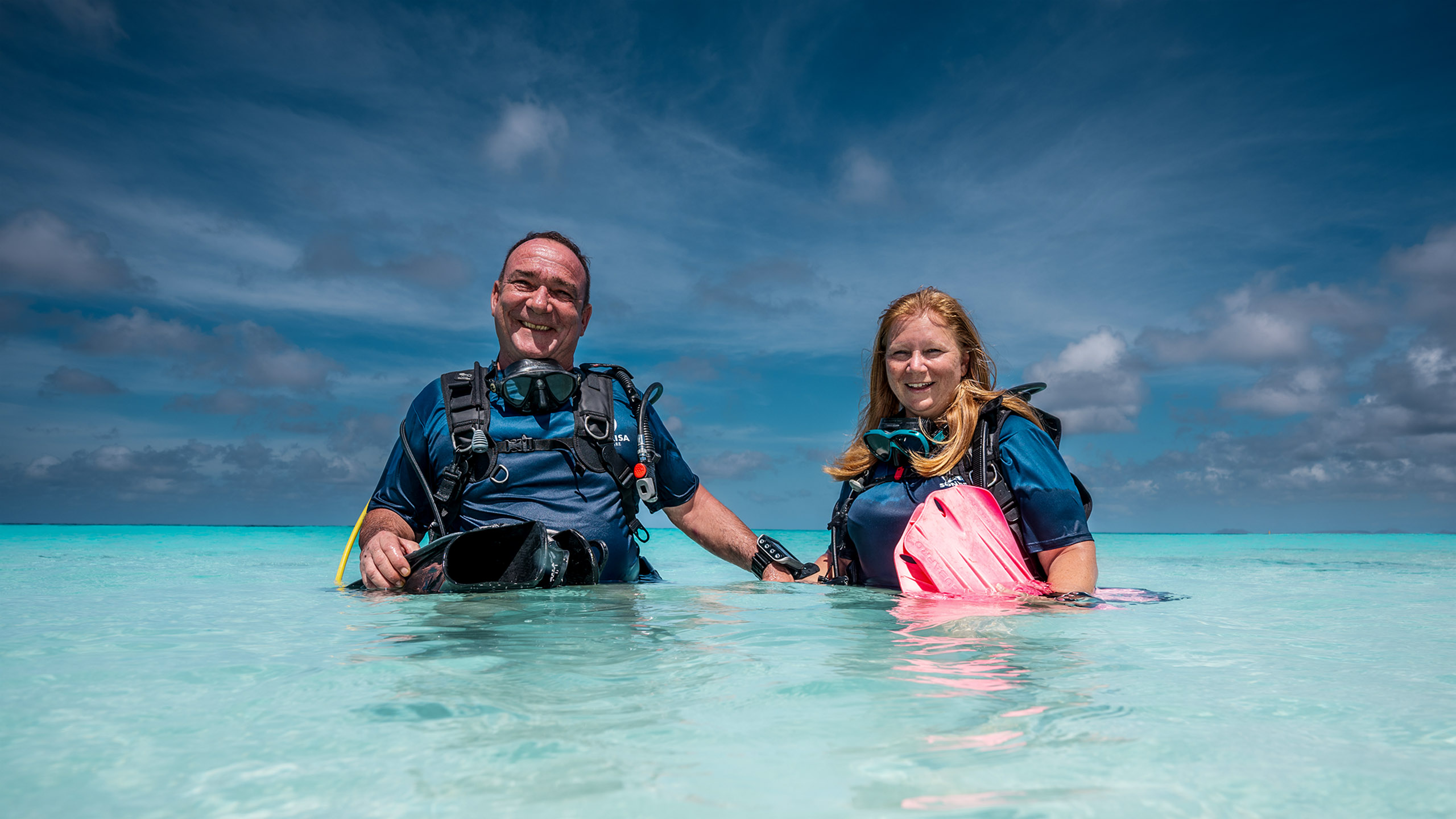
As soon as you arrive on Bonaire, you can feel it right at the airport: everything here revolves around diving. Corinne and Beat, the Swiss owners of the Boutique Hotel & Apartments Sonrisa Bonaire, know this better than most — they’ve been living on the island for years, dive regularly, and know the reefs around Bonaire like the back of their hands.
From over 50 dive sites—all accessible by rental car at any time of day or night — they’ve compiled their very own top 10 favorites. This isn’t some generic “best of” list from a travel guide, but genuine insider tips from people who have “Divers Paradise” right on their doorstep every day.
1. Karpata
Located in the very north of the island, Karpata is considered one of Bonaire’s most spectacular dive sites. The reef drops off unusually steeply here, and the underwater landscape is characterized by impressive channels that lead down into the depths. The owners of the Sonrisa are particularly enthusiastic about the abundance of soft corals, sponges, and the wide variety of fish. The entry can be a bit challenging at times when there’s some swell. However, if the buddy team helps each other out, it’s easily manageable.
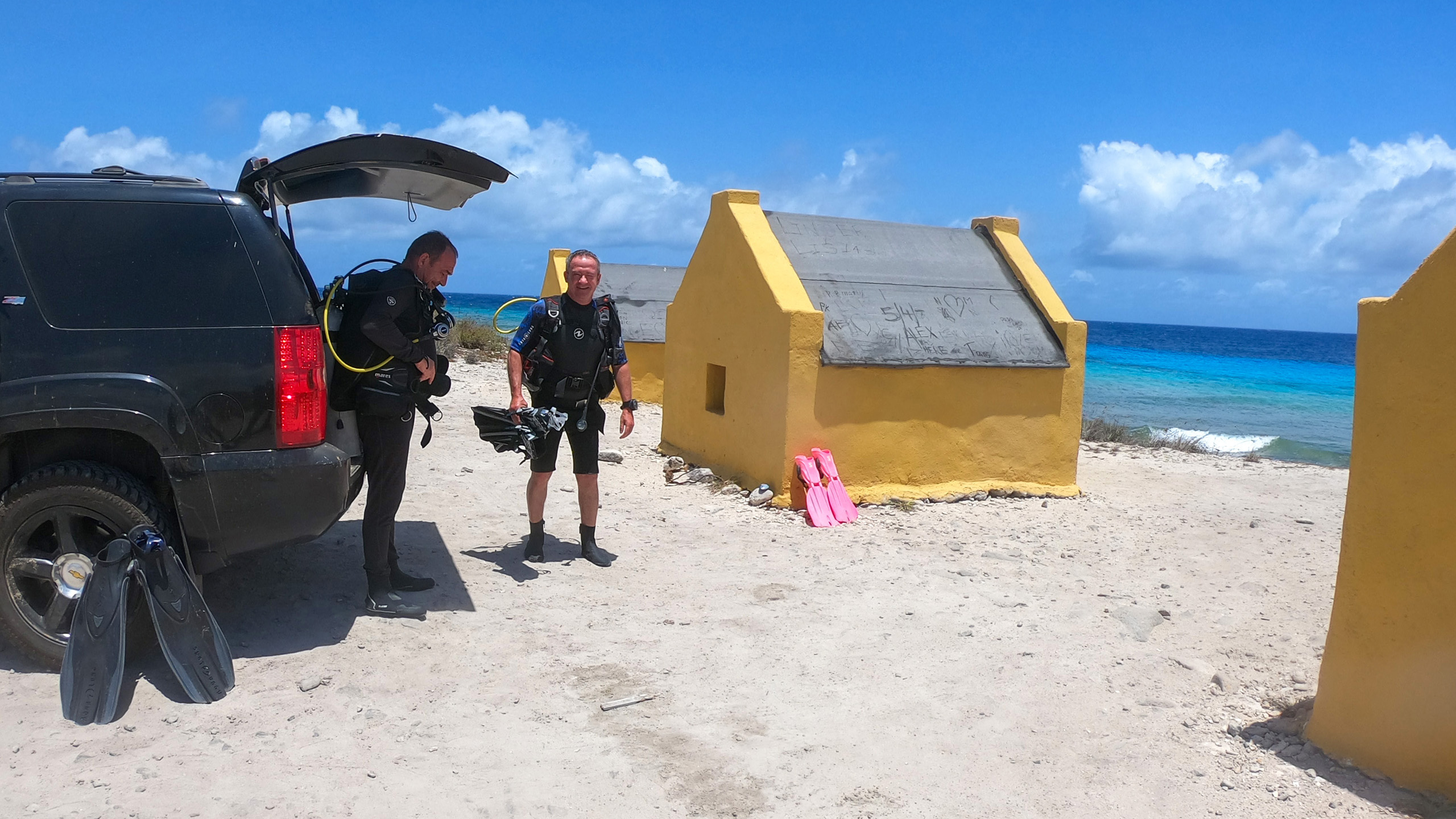
2. Red Slave
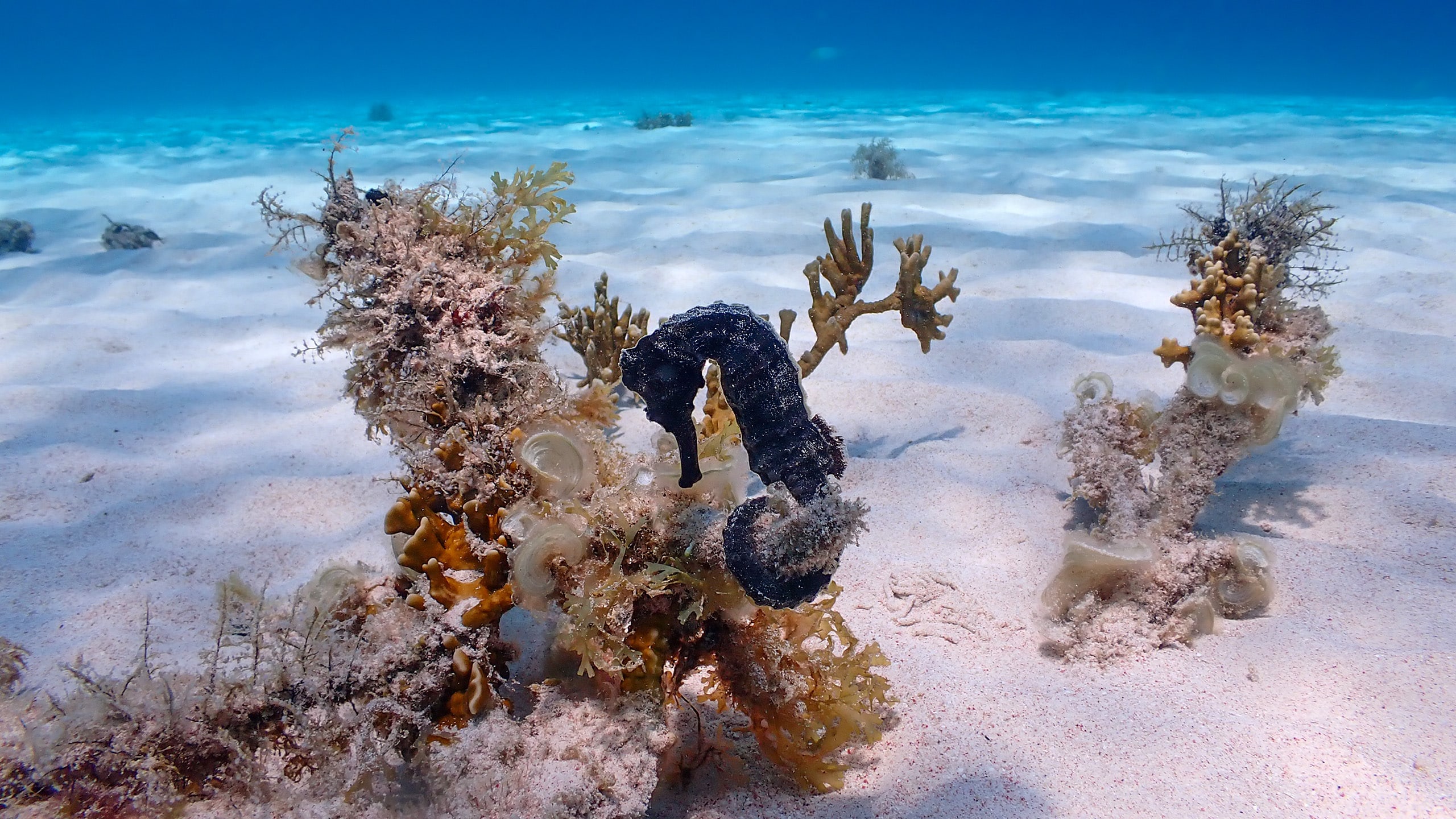
Located in the very south, this dive site impresses not only with its pristine reef and clear visibility, but also with its historical significance. Underwater, it offers unique encounters on every dive. A family of bright blue parrotfish calls this area home. A large eagle ray is regularly spotted, and with a keen eye, you can spot seahorses and anglerfishes.
3. Salt Pier
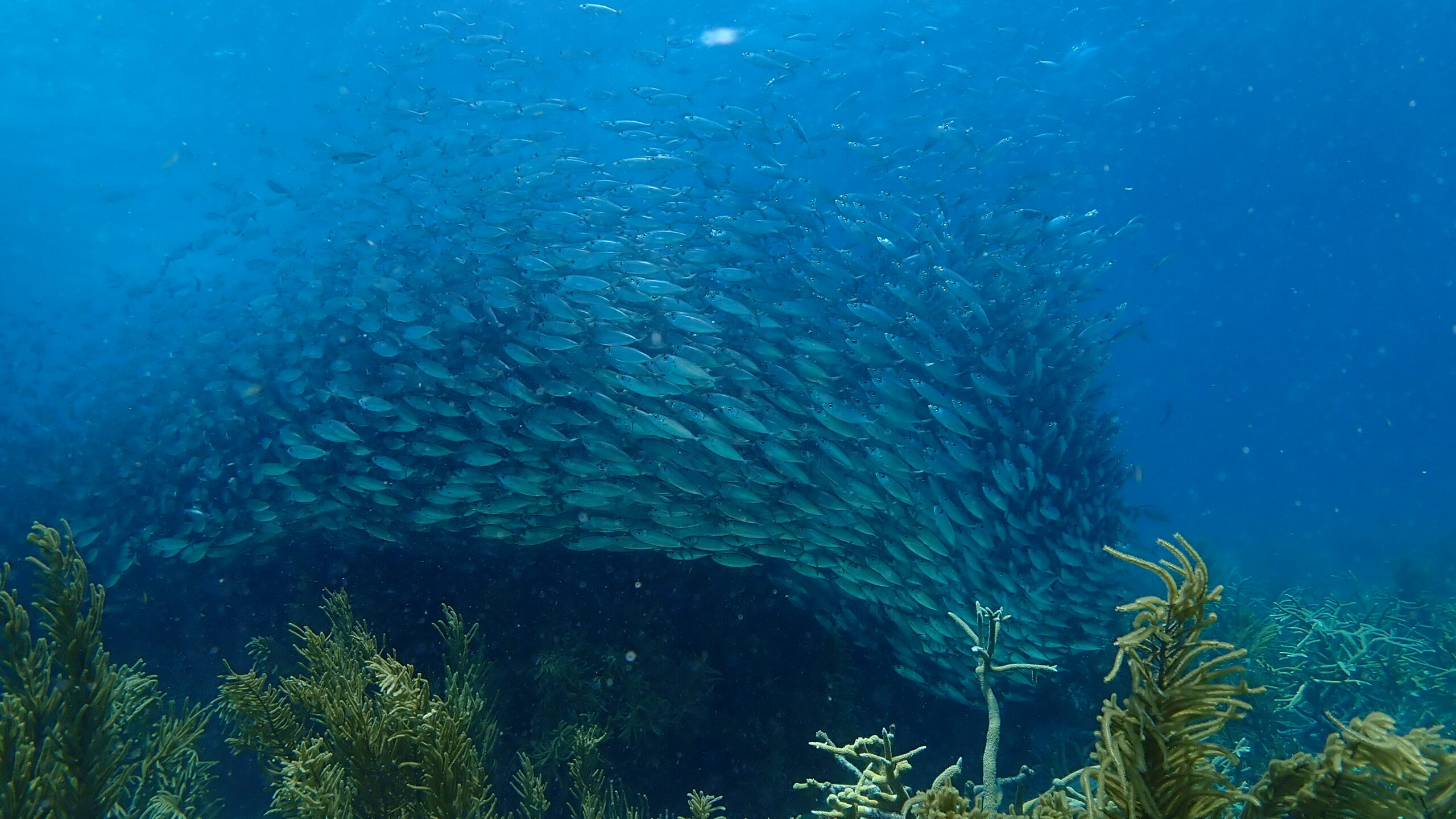
A must-see — and one of the most unusual dive sites: right beneath an active industrial pier where salt is still shipped today. The massive concrete piers are completely overgrown with corals and sponges, forming a fascinating artificial reef. The play of light filtering through the piers creates magical photo opportunities you won’t find anywhere else. Corinne and Beat recommend entering the water past the pier. There’s a convenient sandy path leading into the water. Align your compass with the first pier, and as you dive over the sandy bottom, you’ll often encounter many sea turtles. Caribbean reef squid, barracudas, and large schools of fish make Salt Pier a dive site you can enjoy time and time again.
4. The Lake
The unique double reef system of Bonaire begins at the “The Lake” dive site. It consists of a shallow reef terrace that transitions into a sandy valley. A small rise then gives way to a steep outer reef reaching depths of up to 40 meters. This structure offers a high level of biodiversity in a small area. The sandy lake in the center looks like a mystical landscape as you dive straight out to the outer reef at a depth of 15 meters.
5. 1000 Steps
The name is a playful exaggeration—in reality, there are “only” about 70 steps down to the water. But the climb back up with full gear after the dive is unforgettable. You’re rewarded with one of the island’s most beautiful reefs: steeply sloping, rich in hard corals, and with excellent visibility, where you’re often accompanied by sea turtles. As you enter the water, you can hear the musical clinking of coral fragments being washed up onto the beach. A dreamlike dive site in a stunning area.
6. Invisibles
One of Beat’s favorite dive sites, which is also ideal for divers diving solo as a buddy team for the first time. Right next to the ship’s buoy, a large sandy channel leads down into the depths. Experienced divers swim to the second reef. After about 20 minutes, this reef joins the first reef, offering a spectacular, undulating underwater landscape.
7. Hilma Hooker
Probably the most famous wreck in Bonaire: a former cargo ship that was sunk in 1984 at a depth of about 30 meters and is now covered in coral. The size of the wreck— over 70 meters long — makes swimming through it an impressive experience. The owners of the Sonrisa recommend this as an “early-morning dive,” when you can encounter the numerous tarpon inside the ship’s hull and have the wreck all to yourself.
8. Weber’s Joy
A relatively unknown spot, but one that Corinne particularly cherishes. Weber’s Joy, also known as Witches Hut, surprises divers with a healthy, dense reef that extends very close to shore. An easy entry point on the north side of the island leads to a beautiful coral garden teeming with fish. Thanks to its colorful diversity and the shallow, light-filled area, the site is very popular with underwater photographers. Shark sightings have been on the rise here in the north lately.
9. Margate Bay
Access is via a short walk (through shallow mangrove terrain). The main reef slopes gradually and is densely covered with healthy hard and soft corals, gorgonians, as well as staghorn and fire corals. In addition to the Margate fish that give the site its name, this dive site is known for sightings of anglerfish and seahorses.
10. Something Special
“Something Special” is located right in the center of Kralendijk, and divers can park right on the street. A shallow sandy and pebbly beach makes it easy to enter the water. A mix of healthy coral reef, sandy areas, and vegetation-covered boulders, along with smaller artificial structures, makes “Something Special” a hotspot for macro photography.
Bonus tip
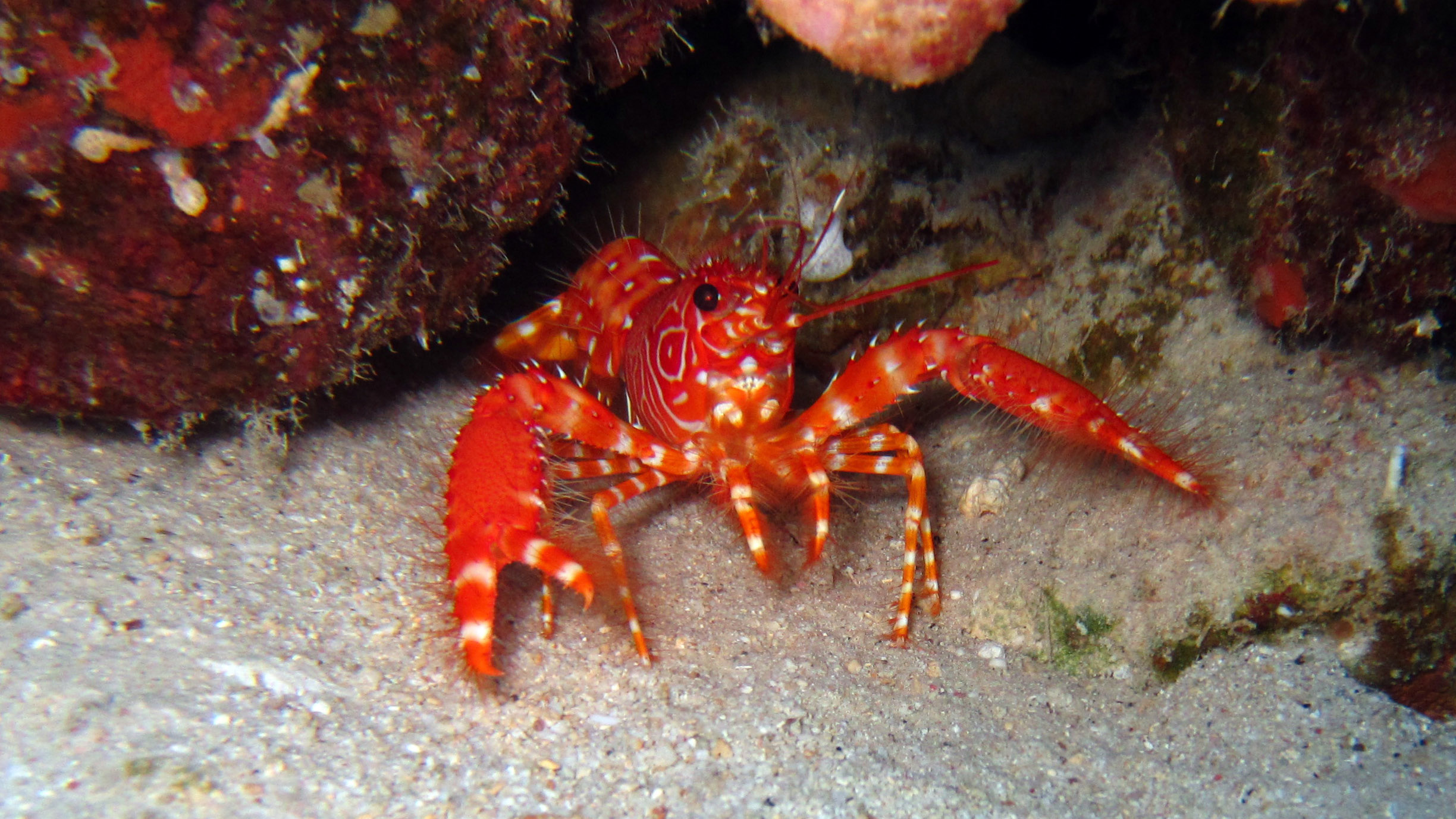
Bari Reef is home to a small shipwreck at a depth of about 28 meters, which is densely covered with corals and sponges and serves as a popular photo spot as well as a hiding place for moray eels and lobsters. A particularly convenient feature: Access is via the newly constructed wheelchair ramp at Isidel Beach Park, making this dive site one of the most accessible and comfortable on the entire island — ideal for divers who appreciate easy entry from the shore.
What sets this list of the top 10 recommendations apart from classic travel guide suggestions is the personal touch: Each of these spots was chosen not based on popularity, but on Corinne and Beat’s own experiences.
It is precisely this close connection to diving and the island that is also reflected in the Boutique Hotel & Apartments Sonrisa Bonaire. Guests staying here not only find a temporary home but also gain direct access to years of insider knowledge about the island’s most beautiful reefs.